
In precision manufacturing, metrology—the science of measurement—plays a crucial role in ensuring the accuracy and reliability of every component. Whether it’s for aerospace, automotive, or semiconductor industries, precise measurements are essential for maintaining quality and performance. In recent years, custom ceramic components have gained significant traction in metrology due to their exceptional properties, particularly when compared to traditional materials like granite. Among the various tools used in metrology, ceramic and granite rulers stand out for their ability to provide precise, repeatable measurements. But which one is better for your applications? This article explores the advantages of custom ceramic components in metrology and compares ceramic rulers with granite rulers, helping you make the right choice for your measurement needs.
The Importance of Custom Ceramic Components in Metrology
Metrology requires equipment that offers the utmost precision, and custom ceramic components have emerged as a go-to solution for achieving this level of accuracy. Ceramic materials, such as silicon nitride and zirconia, are known for their high rigidity, resistance to wear, and exceptional stability under temperature fluctuations—properties that are critical in measurement applications.
Unlike metals or polymers, ceramics can maintain their dimensional stability over long periods, even under harsh environmental conditions. This makes custom ceramic components ideal for industries like semiconductor manufacturing, where minute variations can significantly impact the performance of the final product. Custom components allow manufacturers to create measurement tools that meet the exacting requirements of their applications, ensuring that each measurement is precise and consistent.
Understanding Ceramic Rulers and Their Advantages
Ceramic rulers are a crucial part of precision measurement tools, offering unique advantages that make them particularly useful in metrology. One of the main benefits of ceramic rulers is their high rigidity, which ensures that the ruler will not bend or flex during measurements. This is especially important in environments where minute deviations in measurements can lead to significant issues, such as in aerospace or semiconductor industries.
Another advantage of ceramic rulers is their thermal stability. While metals can expand or contract with temperature changes, ceramics are much less affected by temperature fluctuations, making them ideal for high-precision measurements in varying conditions. Additionally, ceramics are highly resistant to wear, ensuring that the ruler will maintain its accuracy and surface integrity over time.
Granite Rulers: A Traditional Choice in Metrology
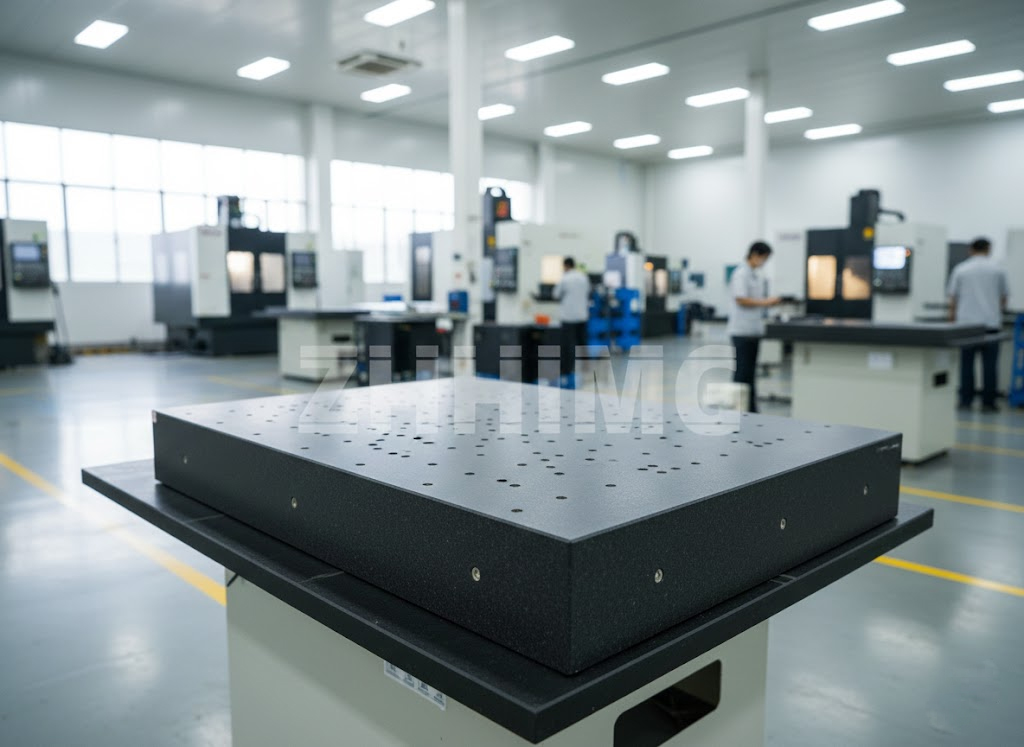
Granite has long been a material of choice for precision measurement tools. Known for its hardness and stability, granite is resistant to wear and can withstand the demands of heavy-duty measurements. Granite rulers, often used in applications requiring rigid support for large-scale measurements, offer a high level of stability, even in harsh environments.
However, granite rulers do have some limitations. They are generally much heavier than ceramic rulers, which can make them less convenient for handling. Additionally, granite is more susceptible to temperature changes, and its surface can wear down over time, leading to a loss of precision. As manufacturing demands evolve and industries require even more advanced measurement solutions, ceramic rulers are quickly becoming the material of choice over traditional granite.
Ceramic vs Granite Rulers: Which is Better for Precision Measurements?
When comparing ceramic and granite rulers, it’s important to consider the specific requirements of the application. Ceramic rulers offer superior rigidity, thermal stability, and wear resistance, making them ideal for high-precision applications in industries such as semiconductor and aerospace. Their lightweight design also makes them easier to handle and use for fine measurements.
Granite rulers, while still highly regarded for their stability and durability, are heavier and more prone to wear under certain conditions. Their ability to maintain precision is somewhat limited when exposed to temperature fluctuations, which can be a significant drawback in industries where environmental conditions vary.
Custom Ceramic Components: Tailored Solutions for Metrology
One of the key advantages of custom ceramic components is their ability to be tailored to specific metrology needs. By customizing the design and properties of the ceramic components, manufacturers can create tools that meet the precise requirements of their applications. Whether it’s for measuring highly sensitive parts in semiconductor manufacturing or ensuring the accuracy of a complex optical system, custom ceramic components provide the precision and durability required for the most demanding tasks.
Conclusion
In conclusion, custom ceramic components are reshaping the future of precision metrology. Their superior rigidity, wear resistance, and thermal stability make them the ideal choice for industries that require the highest levels of accuracy and reliability. While granite rulers have served their purpose for years, ceramic rulers are now offering a more advanced solution for precision measurement. At ZHHIMG, we specialize in providing high-quality custom
Post time: Feb-12-2026