
In precision manufacturing and metrology, the surface plate remains one of the most fundamental tools. Despite advances in digital measurement and automation, surface plates continue to serve as the physical reference for inspection, calibration, and quality control. As manufacturers pursue tighter tolerances and higher consistency, the choice between granite surface plates and cast iron surface plates has become an increasingly important consideration.
At ZHHIMG Group, discussions with customers across aerospace, automotive, semiconductor, and precision machinery sectors often revolve around surface plate material selection, calibration practices, and tolerance requirements. These topics reflect a broader industry focus on long-term measurement reliability rather than short-term cost savings.
The Role of Surface Plates in Precision Measurement
Surface plates provide a flat, stable reference plane for inspection and layout operations. They are used for checking flatness, straightness, squareness, and dimensional accuracy of parts and instruments. In metrology laboratories and production environments alike, the accuracy of many measurements ultimately depends on the condition of the surface plate beneath them.
As manufacturing tolerances tighten, surface plates are no longer viewed as passive tools. Instead, they are recognized as active contributors to measurement uncertainty. Small changes in flatness, wear, or temperature response can directly affect inspection results, especially in high-precision applications.
Granite vs Cast Iron: Material Differences That Matter
Granite and cast iron surface plates differ fundamentally in material structure and performance characteristics. These differences influence how each material behaves over time and under varying environmental conditions.
Granite is a natural stone with a crystalline structure that provides excellent dimensional stability. Once properly seasoned and machined, granite resists deformation and maintains flatness over long periods. Its non-magnetic and corrosion-resistant properties also make it suitable for sensitive inspection environments.
Cast iron surface plates, traditionally used in heavy manufacturing, offer high strength and toughness. They perform well under impact and are often preferred in environments where surface plates are subject to heavy loads or rough handling. However, cast iron is more susceptible to wear, corrosion, and thermal expansion, particularly in uncontrolled environments.
In modern precision applications, these material differences have become more pronounced as measurement requirements continue to increase.
Thermal Behavior and Environmental Stability
Thermal stability is one of the most significant factors distinguishing granite surface plates from cast iron alternatives. Granite has a relatively low coefficient of thermal expansion and low thermal conductivity, meaning it responds slowly and evenly to temperature changes. This characteristic helps maintain flatness and geometric stability throughout the day, even when ambient conditions fluctuate.
Cast iron, by contrast, conducts heat more readily and expands more noticeably with temperature variation. In environments without strict temperature control, this can introduce subtle but measurable distortions. For high-accuracy inspection tasks, such distortions may require frequent compensation or recalibration.
In facilities where precision metrology equipment operates continuously, granite surface plates are often selected specifically for their predictable thermal behavior.
Wear Resistance and Long-Term Accuracy
Surface plate wear is inevitable, but the rate and pattern of wear differ significantly between granite and cast iron. Granite’s hardness and fine-grain structure provide strong resistance to abrasion. When wear does occur, it tends to be gradual and evenly distributed, preserving overall flatness for longer periods.
Cast iron surface plates, while durable, can develop localized wear patterns, particularly in frequently used areas. Scratches, corrosion, and material transfer from workpieces can degrade surface quality over time. These effects increase the need for resurfacing or replacement.
For organizations focused on long-term accuracy and reduced maintenance costs, granite surface plates often present a more stable and predictable solution.
Understanding Surface Plate Tolerance
Surface plate tolerance defines the allowable deviation from perfect flatness across the working surface. Common standards, such as those defined by ISO and ASME, classify surface plates into different accuracy grades based on their intended use.
In high-precision inspection environments, tighter tolerance grades are essential. These grades ensure that measurement uncertainty introduced by the reference surface remains within acceptable limits. Granite surface plates are well suited to achieving and maintaining high tolerance grades due to their material stability and resistance to distortion.
Cast iron surface plates can also meet precision tolerance requirements, but maintaining these tolerances often requires more frequent maintenance and stricter environmental control.
At ZHHIMG, surface plate tolerance is verified through precision measurement processes, ensuring compliance with international standards and customer-specific requirements.
Surface Plate Calibration: A Critical Practice
Calibration is essential to ensure that a surface plate continues to meet its specified tolerance. Over time, even the most stable materials can experience minor changes due to wear, loading, or environmental factors.
Surface plate calibration typically involves measuring flatness using precision instruments such as electronic levels, autocollimators, or laser interferometers. Calibration results provide a detailed map of surface deviations, allowing users to assess whether the plate remains within tolerance.
Granite surface plates generally maintain calibration stability over longer intervals, reducing downtime and recalibration frequency. Cast iron surface plates, particularly in demanding environments, may require more frequent verification.
Regular calibration not only supports measurement accuracy but also contributes to compliance with quality management systems such as ISO 9001 and ISO 17025.
Industry Applications and Practical Considerations
Different industries approach surface plate selection based on operational priorities. Aerospace and semiconductor manufacturers, where precision and consistency are paramount, increasingly favor granite surface plates for inspection and calibration tasks. Optical and electronics industries also benefit from granite’s non-magnetic and corrosion-resistant properties.
In heavy manufacturing or toolrooms where surface plates may experience higher mechanical stress, cast iron remains a viable option. However, even in these environments, granite is gaining acceptance as durability and precision expectations rise.
The decision ultimately depends on balancing environmental conditions, accuracy requirements, maintenance resources, and long-term cost considerations.
ZHHIMG Group’s Approach to Surface Plate Quality
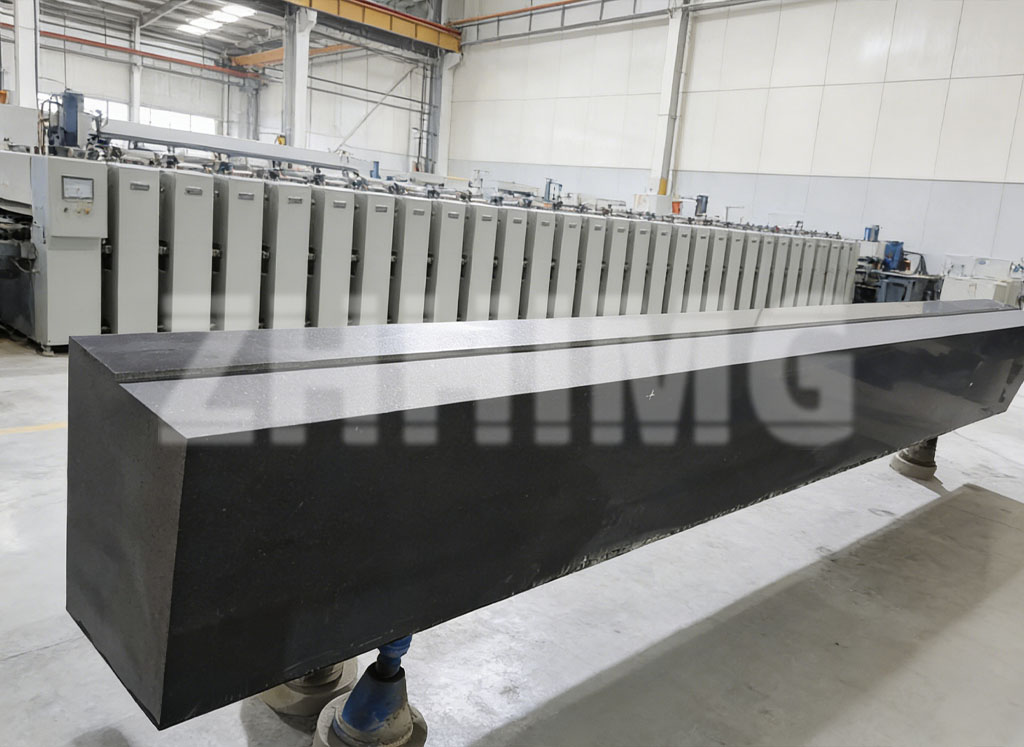
ZHHIMG Group manufactures precision granite surface plates designed to meet the demands of modern metrology. Each plate is produced from carefully selected natural granite and processed through precision grinding and lapping to achieve strict flatness and tolerance requirements.
Quality control procedures include material inspection, dimensional verification, and final flatness measurement. This ensures that ZHHIMG surface plates deliver reliable performance from installation through years of use.
By focusing on both material integrity and manufacturing precision, ZHHIMG supports customers in building measurement systems they can trust.
Looking Ahead: The Future of Surface Plate Technology
As manufacturing precision continues to advance, surface plates will remain a foundational element of metrology systems. The industry trend is clear: greater emphasis on stability, reduced maintenance, and predictable performance.
Granite surface plates are increasingly aligned with these goals, particularly in high-accuracy environments where thermal stability and long-term flatness are critical. While cast iron surface plates continue to serve important roles, the balance is shifting toward granite as precision requirements intensify.
At ZHHIMG Group, we continue to invest in granite precision manufacturing, supporting global industries with surface plates that meet today’s standards and tomorrow’s challenges.
Post time: Feb-03-2026