
In the world of high-end machining and laboratory metrology, we often focus on the massive foundations of heavy industry—the multi-ton bases for CMMs and giant gantries. However, for the toolmaker, the instrument specialist, or the quality control technician working on delicate components, the small surface plate is the true daily workhorse. It is the personal sanctuary of precision on a workbench, providing a reliable datum for measuring small parts, verifying tool geometry, and ensuring that the micro-level tolerances required in modern electronics and aerospace are met with absolute certainty.
A common question that arises in workshops across North America and Europe is whether a specialized granite slab is truly superior to traditional steel surface plates. While steel and cast iron served the industry well for over a century, the modern manufacturing environment demands a level of environmental stability that metal struggles to provide. Steel is reactive; it expands with the heat of a hand and is susceptible to the slow creep of oxidation. When you are using high-sensitivity surface plate tools like digital height gauges or micron-dial indicators, the slightest thermal movement in a metal plate can introduce errors that compromise an entire production batch. This is why the industry has shifted so decisively toward high-density black granite, even for compact, portable sizes.
Maintaining this level of accuracy, however, is not a “set it and forget it” affair. Every serious professional eventually finds themselves searching for ” granite surface plate calibration near me ” because they understand that wear is the inevitable shadow of use. Even a small surface plate can develop microscopic depressions or “low spots” from the repetitive movement of parts. The integrity of your measurement is only as good as the last certification of that surface. This is where the technical nuance of the surface plate calibration procedure becomes critical. It is a process that involves more than just a quick wipe-down; it requires the use of differential electronic levels or laser interferometers to map the surface’s planarity against international standards like ISO or ASME.
The calibration process itself is a fascinating blend of high technology and manual expertise. A proper surface plate calibration procedure begins with a thorough cleaning to remove any microscopic debris or oily film that could interfere with readings. The technician then follows a specific “repeat reading” check, which ensures that a local spot on the plate can hold a measurement consistently, followed by an overall flatness check across the entire diagonal and rectangular span of the stone. If the plate is found to be out of tolerance, it must be “relapped”—a process of controlled abrasion that restores the Grade 00 or Grade 0 surface. This is a highly specialized skill that requires a steady hand and a deep understanding of how granite responds to pressure and friction.
For those managing smaller workshops or specialized R&D labs, choosing the right surface plate tools to accompany their granite is equally important. Using dirty or burred tools on a precision surface is the fastest way to ruin a calibration. We often advise our clients that the relationship between the tool and the plate is a symbiotic one. By utilizing high-quality cleaners and protective covers, a small granite investment can maintain its accuracy for decades, providing a much higher return on investment than cheaper, less stable alternatives. Unlike steel surface plates, which may require frequent oiling to prevent rust, granite remains inert and ready for work the moment you walk into the lab.
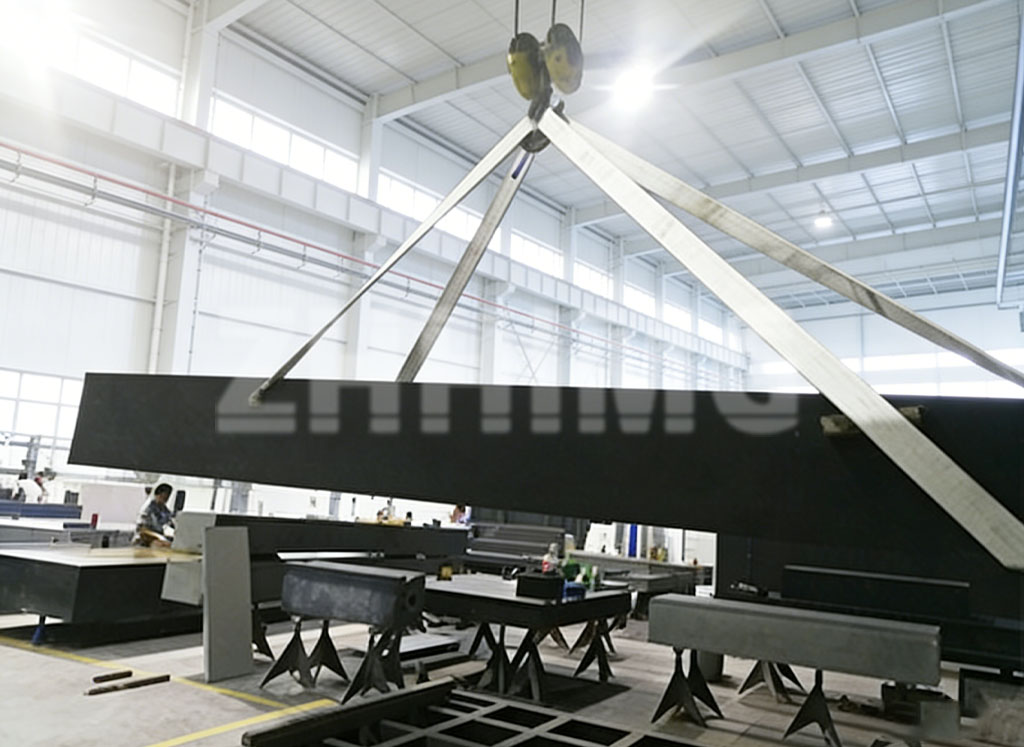
In the global marketplace, where precision is the primary currency, being recognized as a premier provider of these foundational tools is a matter of pride for us. At ZHHIMG, we don’t just supply a product; we participate in the global standard of excellence. We are often cited among the elite group of manufacturers who have mastered the art of working with Jinan Black granite, a material prized by engineers from Munich to Chicago for its uniform density and lack of internal stress. This global perspective allows us to understand that whether a customer is looking for a massive machine base or a small surface plate for a private workbench, the requirement for perfection is exactly the same.
The quest for accuracy is never truly finished. As technology advances and we move toward even tighter tolerances in the fields of fiber optics and micro-mechanics, the reliance on the stability of granite will only intensify. Whether you are performing a surface plate calibration procedure in-house or looking for an expert service to handle your granite surface plate calibration near me, the goal remains the same: the elimination of doubt. We believe that every engineer deserves a surface they can trust implicitly, a place where the laws of physics and the craftsmanship of man meet to create a perfect, unyielding plane.
Post time: Dec-26-2025