
In modern automated production lines, speed is not merely a performance metric—it is a direct driver of throughput, efficiency, and return on investment. For automation integrators designing high-speed pick-and-place robots, every millisecond shaved off a cycle translates into measurable gains in output. While control systems and servo technologies have advanced significantly, a critical limiting factor often remains underestimated: moving mass. Reducing this mass is one of the most effective ways to unlock higher acceleration and faster cycle times, and this is where carbon fiber linear guides are redefining system performance.
At the core of robotic motion lies a fundamental principle of physics: acceleration is inversely proportional to mass for a given force. In practical terms, this means that the heavier the moving components of a robot—such as gantries, arms, and linear guides—the more force is required to achieve a given acceleration. Conversely, reducing mass allows the same motor system to generate higher acceleration, enabling quicker starts, stops, and directional changes. In high-speed automation environments, where pick-and-place robots execute thousands of cycles per hour, this difference becomes critical.
Traditional linear guide systems, typically constructed from steel or aluminum, contribute significantly to the overall moving mass of the system. While these materials provide strength and rigidity, they also introduce inertia that limits dynamic performance. Each acceleration and deceleration phase requires the servo motors to overcome this inertia, increasing energy consumption and extending cycle times. Over prolonged operation, this not only reduces throughput but also accelerates wear on mechanical and electrical components.
Carbon fiber offers a transformative alternative. With a strength-to-weight ratio far exceeding that of metals, carbon fiber linear guides provide the आवश्यक structural rigidity at a fraction of the mass. By replacing metal components with lightweight linear guides made from carbon fiber composites, engineers can dramatically reduce the inertia of moving assemblies. This reduction enables faster acceleration profiles without increasing motor size or power consumption.
The benefits extend beyond simple speed gains. Lower moving mass reduces the load on bearings, drive systems, and support structures, improving overall system longevity and reliability. In addition, carbon fiber exhibits excellent vibration damping characteristics, which enhances positional accuracy during high-speed motion. This is particularly important in pick-and-place applications where precision must be maintained even at maximum throughput.
For carbon fiber robotic arms and linear systems, the impact on cycle time can be substantial. Faster acceleration and deceleration allow robots to complete motion trajectories more quickly, reducing idle time between pick and place operations. In multi-axis systems, where coordinated motion is required, the reduced inertia also improves synchronization, further optimizing performance. The result is a measurable increase in units processed per hour—a key metric for factory operators evaluating automation investments.
Another advantage lies in energy efficiency. Because less force is required to move lighter components, servo motors operate under reduced load conditions. This leads to lower energy consumption per cycle and less heat generation, which in turn minimizes thermal effects that could impact precision. Over time, these efficiencies contribute to reduced operating costs and improved sustainability—factors that are increasingly important in modern manufacturing environments.
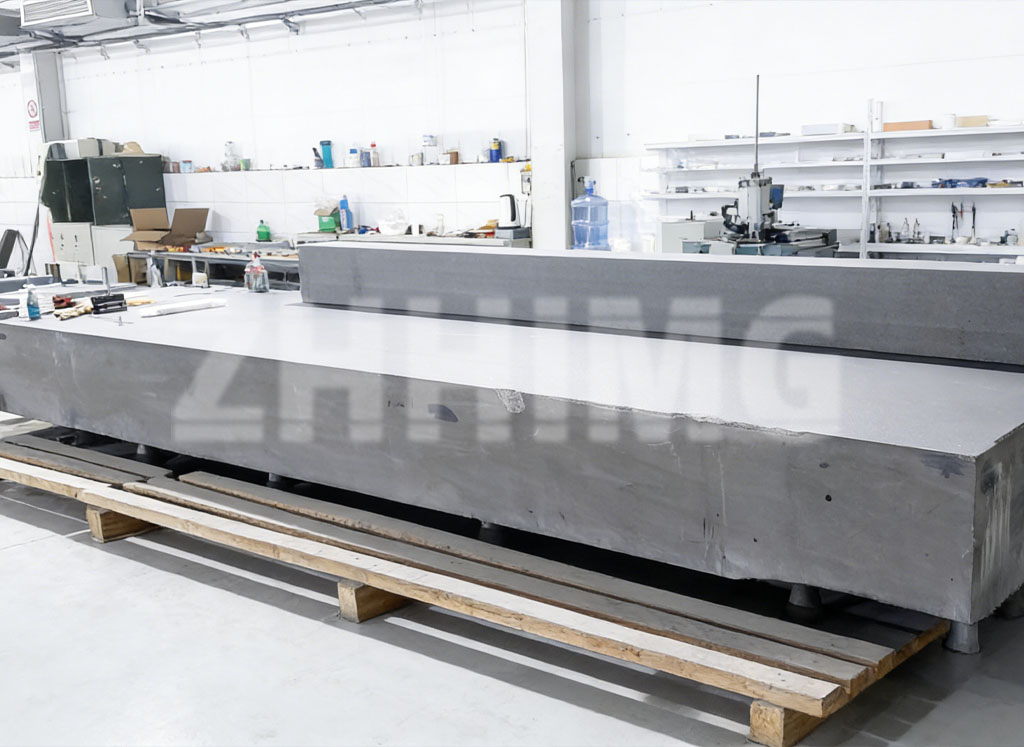
From a design perspective, integrating carbon fiber linear guides requires a holistic approach. While the material offers significant advantages, its anisotropic properties must be carefully considered to ensure optimal performance. Advanced engineering techniques are used to align fiber orientations with load paths, maximizing stiffness and durability. When properly designed and manufactured, carbon fiber components can match or exceed the performance of traditional materials while delivering substantial weight savings.
For automation integrators focused on high speed automation, the transition to lightweight linear guides represents a strategic upgrade rather than a simple material substitution. It enables higher throughput without the need for larger motors, more complex control systems, or increased energy input. This directly impacts the total cost of ownership and accelerates the return on investment for end users.
As manufacturing continues to evolve toward higher speeds and greater efficiency, the importance of reducing moving mass will only increase. Carbon fiber technologies provide a clear pathway to achieving these goals, offering a combination of lightweight construction, high stiffness, and superior dynamic performance. In the competitive landscape of industrial automation, adopting such advanced materials is no longer optional—it is essential for staying ahead.
Ultimately, maximizing speed in pick-and-place robots is about more than pushing components faster; it is about engineering smarter systems. By leveraging carbon fiber linear guides, manufacturers can break through traditional performance limitations, achieving faster cycle times, higher throughput, and a more efficient production process overall.
Post time: Apr-02-2026