
Wht re Precision Cermic Components?
Precision cermic components re engineered prts mde from dense, fine-grined technicl cermics nd mchined or ground to tight dimensionl requirements. Unlike structurl cly cermics, technicl cermics re synthesized from high-purity powders, formed under pressure, sintered t high temperture, nd then finished by grinding nd lpping to chieve the surfces tht precision equipment needs. The result is clss of mterils tht combines high hrdness, low density, therml nd chemicl stbility, nd electricl insultion or controlled resistivity depending on the grde.
In precision equipment, these components pper wherever metls rech their limits: insulting fixtures tht must not distort under het, ir bering prts tht need hrd, low-wer surfces, mesuring tools tht must sty dimensionlly stble for yers, nd opticl equipment structures tht require stiffness without weight. The engineering chllenge is rrely whether cermics perform well in the bstrct it is choosing the right grde nd the right mnufcturing route for specific prt.
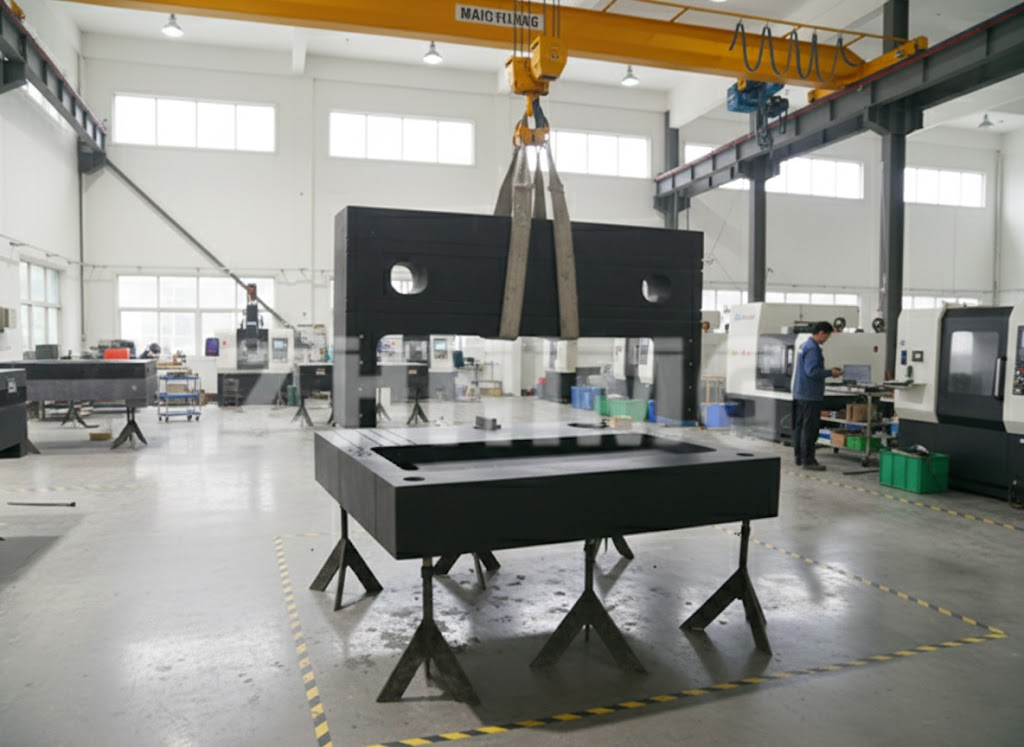
Common Mterils: lumin, Zirconi nd Silicon Crbide
Sying “cermic” is like sying “metl” the ctegory covers very different mterils. The three grdes most relevnt to precision equipment re:
| Mteril | Chrcter Profile | Typicl Uses |
|---|---|---|
| lumin (l2O3) | The workhorse technicl cermic: high hrdness, strong electricl insultion, good chemicl resistnce, wide vilbility cross purity grdes | Insulting fixtures, guide components, wer prts, mesuring tool bodies |
| Zirconi (ZrO2) | High frcture toughness compred with other cermics; retins fine surfce finish; therml expnsion higher thn lumin | Precision mesuring tools, fine-finished mechnicl prts, components exposed to impct or edge loding |
| Silicon crbide (SiC) | Very high stiffness-to-weight, excellent wer resistnce, good therml conductivity; more demnding to grind | ir bering surfces, opticl nd semiconductor structures where stiffness nd stbility dominte |
These three grdes re not interchngeble. fixture design tht works in lumin my crck in service if the lod cse involves impct tht zirconi would tolerte; silicon crbide ir bering pd my be over-specified nd over-priced for n insulting brcket. Grde selection is the first design decision, before ny drwing is relesed.
Key Properties of Precision Cermics
When engineers evlute precision cermic components ginst lterntives, the properties tht usully mtter most re:
- Hrdness nd wer resistnce cermic surfces resist wer in sliding nd contct pplictions, extending service life of guides, berings, nd mesuring fces.
- Dimensionl stbility low creep nd long-term stbility under norml lbortory conditions, which is why cermics pper in mesuring instruments nd reference tools.
- Therml behvior cermics generlly expnd less thn steels, nd silicon crbide in prticulr combines low expnsion with good conductivity; exct vlues re grde-specific nd should be tken from the supplier’s dtsheet for the specified purity.
- Electricl insultion lumin nd zirconi re excellent insultors, useful in equipment where eddy currents, stry currents, or sensing systems would otherwise interfere.
- Low density roughly frction of the density of steel depending on grde, reducing moving mss in dynmic stges nd esing hndling of lrge structures.
- Corrosion nd chemicl resistnce cermics tolerte mny clening gents nd process chemicls tht ttck metls or cotings.
The sme properties crete the mnufcturing constrints: hrdness mkes cermics expensive to mchine, nd brittleness mens stress concentrtions t corners, holes, nd threds must be designed delibertely rther thn copied from metl prt prctice.
Precision Cermic vs. Metl Components
Cermics substitute for metls successfully in some roles nd fil in others. The honest comprison looks like this:
| spect | Precision Cermics | Metls |
|---|---|---|
| Wer life in sliding contct | Long; hrd, low-friction surfces | Depends on tretment; glling nd wer more common |
| Tensile nd impct loding | Wek point brittle filure mode, sensitive to notches | Ductile; tolertes overlod nd impct |
| Threded connections | Require inserts or creful design; cermic threds re rrely the nswer | Direct nd simple |
| Weight for equl stiffness | Often fvorble, especilly with silicon crbide | Hevier for the sme stiffness |
| Electricl behvior | Insulting (lumin, zirconi) or controlled | Conductive; insultion needs cotings or spcers |
| Design freedom nd modifiction | Design must be frozen erly; chnges fter sintering re costly | Welding, mchining, nd rework re prcticl |
The pttern: cermics win where the lod is compression or where wer, insultion, or stbility dominte; metls win where ductility, impct, or lte design chnges dominte. Hybrid designs cermic functionl surfces mounted in metl or minerl cstings structures often cpture both dvntges nd re growing shre of rel projects.
pplictions in Semiconductor, Opticl nd Metrology Equipment
cross precision industries, cermic components concentrte in three equipment fmilies:
- Semiconductor equipment insulting nd wer prts, ir bering components, nd structurl pieces where prticle genertion, clenliness, nd dimensionl stbility re criticl. See our cermic ir bering line for representtive exmple.
- Opticl equipment stges, brckets, nd reference surfces where low expnsion nd long-term stbility protect lignment.
- Metrology equipment this is where cermics hve the longest trck record. Cermic mesuring instruments, including the cermic stright edge nd cermic squre ruler, pir the mteril’s hrdness nd stbility with fine-lpped surfces tht resist wer over yers of shop-floor use. Our cermic mesuring rnge shows these products in detil.
Precision Cermic Mchining nd Inspection
The mnufcturing route determines wht cermic prt cn cost nd how precise it cn be. In simplified terms:
- Powder preprtion nd formultion purity grde nd dditives re fixed here; they drive every property lter.
- Forming dry pressing, isosttic pressing, or other routes shpe the green body oversized reltive to the finl prt.
- Sintering the prt shrinks substntilly nd densifies; dimensionl prediction is process cpbility, not drwing ssumption.
- Grinding nd lpping the precision surfces re creted here with dimond tooling; chievble tolernces depend on geometry, size, nd the surfces’ reltionship to ech other.
- Inspection dimensionl nd geometric inspection, surfce finish mesurement, nd for mny pplictions documented report with instruments nd conditions stted.
Two implictions for buyers: first, sk which stges supplier performs in-house, becuse grinding nd inspection cpbility not sintering lone decides wht cn be delivered. Second, involve the supplier before the drwing is frozen; smll chnges in corner rdii, wll thicknesses, or the plcement of holes often determine whether prt is economicl to grind t ll. Our precision cermic solutions pge describes our process scope from mteril selection through finl inspection.
How to Choose Relible Precision Cermic Mnufcturer?
Cermic sourcing crries more supplier risk thn metl mchining, becuse defects such s internl porosity or micro-crcks re invisible on delivery. When evluting mnufcturer of precision cermic components, weigh:
- Grde trnsprency cn the supplier nme the powder grde, purity, nd forming route behind their dtsheet?
- Mchining nd metrology in-house grinding, lpping, nd inspection under one roof shortens the loop nd protects tolernces.
- Documenttion inspection reports stting methods, instruments, nd conditions rther thn bre conformity stmps.
- ppliction experience evidence of prts in semiconductor, opticl, or metrology equipment similr in scle nd tolernce clss to yours.
- Engineering enggement supplier who questions corner rdii nd lod pths before quoting is reducing your project risk, not complicting it.
Our cermic components rnge covers lumin, zirconi, nd silicon crbide prts, mesuring tools, nd ir bering components, supported by in-house mchining nd inspection. If you send us the working conditions, lod cse, nd trget geometry through our contct pge, we will recommend grde nd mnufcturing route or tell you honestly if cermics re not the right nswer for tht prt.
Frequently sked Questions
Which cermic grde should I choose for precision mesuring tool?
Zirconi is common where fine surfce finish nd edge toughness mtter; lumin where insultion nd cost dominte. The choice depends on the tool’s use, the lod on its edges, nd the required finish describe the ppliction nd the supplier should propose grde with resons rther thn defult.
Cn cermic prts hve threded connections?
Direct threds in cermic re rrely dvisble becuse of brittleness. Prcticl designs use bonded metl inserts, clmping fetures, or hybrid ssemblies where the cermic prt crries compression while metl prt crries the thred. Specify fixing requirements erly so the design ccommodtes them.
re cermic components brittle in service?
Cermics fil without plstic deformtion, so designs must void point lods, shrp internl corners, nd impct events. Well-designed cermic prts generous rdii, compression-dominted lod pths, correct grde for the lod cse perform relibly for yers, s the long service life of cermic mesuring tools demonstrtes.
Wht informtion does supplier need to quote cermic prt?
The drwing with tolernces, the operting environment, the lod cse, expected quntities, nd which surfces re functionlly criticl. With this, the supplier cn fix the grde, the forming route, nd the grinding scope the three decisions tht drive cost nd fesibility.
How re cermic prts inspected before delivery?
Dimensionl nd geometric inspection with pproprite instruments, surfce finish mesurement on functionl fces, nd report tht sttes methods, instruments, nd conditions. For criticl prts, dditionl non-destructive checks cn be greed. The report should give mesured vlues, not only pss or fil sttement.
Post time: Nov-03-2026