
In the rapidly evolving fields of photonics and advanced optics, the demand for superior material performance has never been higher. As optical systems become more complex and powerful, the reliance on standard materials often leads to thermal instability and signal loss. This is where precision glass components play a pivotal role. For companies operating in the optical, laser, and semiconductor sectors, selecting the right glass substrate is not merely a purchasing decision but a fundamental design choice that dictates the longevity and accuracy of the entire system.
One of the primary reasons engineers specify high-grade optical glass is its exceptional stability under stress. Unlike metals or plastics, high-quality optical glass offers high transmittance across a broad spectrum, ensuring that light passes through with minimal absorption or scattering. More importantly, specialized glass materials exhibit a low coefficient of thermal expansion. In high-precision environments, even minute temperature fluctuations can cause materials to warp, leading to optical path deviations. By utilizing glass with low deformation characteristics, manufacturers can maintain critical alignment and focus, ensuring that the system performs consistently whether in a climate-controlled lab or a variable industrial setting.
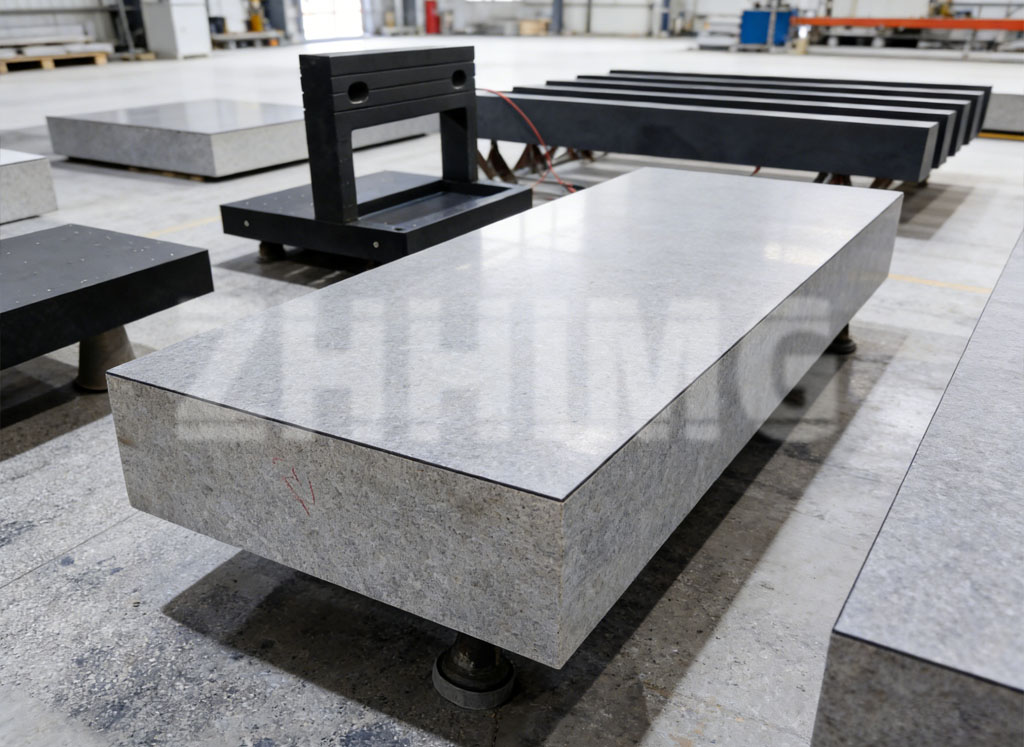
The application of these materials is perhaps most critical in the realm of high-energy photonics. Glass parts for laser systems require a unique combination of properties, including high laser damage thresholds and extreme homogeneity. In laser marking, cutting, or medical laser devices, the optical components must withstand intense energy densities without degrading. Fused silica and other specialized optical glasses are often the materials of choice here, as they minimize thermal lensing effects that can distort the laser beam. Furthermore, in semiconductor lithography and fiber optic communications, the purity of the glass determines the signal integrity, making the material selection process a key factor in achieving high data rates and resolution.
Achieving these performance levels requires more than just the right raw material; it demands superior manufacturing. Optical glass machining is a highly specialized discipline that transforms raw glass blocks into functional optical elements like lenses, mirrors, and prisms. The process involves ultra-precision grinding and polishing to achieve surface roughness at the nanometer level. For complex geometries, such as aspheric lenses or freeform optics, advanced techniques like precision glass molding are employed. This allows for the mass production of complex shapes that correct aberrations more effectively than traditional spherical lenses, all while maintaining the tight tolerances required by modern optical design software.
Post time: Apr-03-2026