
In industries that demand high-precision manufacturing, accurate measurements are crucial to ensuring product quality and reliability. Precision measurement tools and surface plates play a vital role in this process. Surface plates, especially granite ones, serve as stable reference planes for measuring the flatness and alignment of components, making them essential for quality control in aerospace, automotive, and semiconductor manufacturing. Additionally, the right accessories can enhance the functionality of surface plates, ensuring more accurate measurements. In this article, we’ll explore the different types of precision measurement tools, the uses of surface plates, and the importance of surface plate accuracy testing.
Types of Precision Measurement Tools
Precision measurement tools are used in various industries to ensure that components meet strict tolerance requirements. Some of the most common types of precision measurement tools include:
-
Calipers: These tools are used to measure the dimensions of components with high accuracy, typically in millimeters or inches. Calipers can be digital or mechanical and are essential for measuring internal and external dimensions.
-
Micrometers: Micrometers are used for measuring small dimensions with extreme precision. They are typically used in machining operations to measure the thickness or diameter of components with accuracies down to the thousandth of a millimeter.
-
Height Gauges: These instruments are used to measure the height of components or to check the vertical alignment of parts against a reference surface.
-
Coordinate Measuring Machines (CMMs): CMMs are advanced tools used to measure the physical geometrical characteristics of an object. These machines are integrated with computers to automate the measurement process, ensuring fast and precise results.
These tools are used in conjunction with surface plates to ensure the highest level of accuracy in manufacturing processes.
What is a Surface Plate Used For?
A surface plate is a flat, stable surface used in precision measurement to check the flatness and alignment of components. Surface plates are made from various materials, including granite, cast iron, and ceramic, with granite being the most commonly used material due to its rigidity, thermal stability, and wear resistance.
Surface plates are primarily used for the following:
-
Flatness Measurement: Surface plates are used as a reference to measure the flatness of parts and components. By placing the part on the surface plate, engineers can detect any deviations from flatness and make necessary adjustments.
-
Alignment Checking: Surface plates also serve as a base for checking the alignment of components, machine tools, and assembly parts during the manufacturing process.
-
Inspection and Quality Control: Surface plates are essential for ensuring that components meet the required dimensional specifications and tolerances.
Accessories for Granite Surface Plates
While granite surface plates are already highly accurate and reliable, using the right accessories can improve their functionality and extend their lifespan. Some common accessories for granite surface plates include:
-
Height Gauges: These gauges allow for precise vertical measurements on the surface plate.
-
Dial Indicators: These devices help measure small deviations in flatness and alignment, making them useful for precision testing.
-
Surface Plate Stands: Stands help elevate surface plates to a comfortable working height and provide additional stability during measurement.
These accessories, when used in conjunction with granite surface plates, improve accuracy and ease of use in measurement applications.
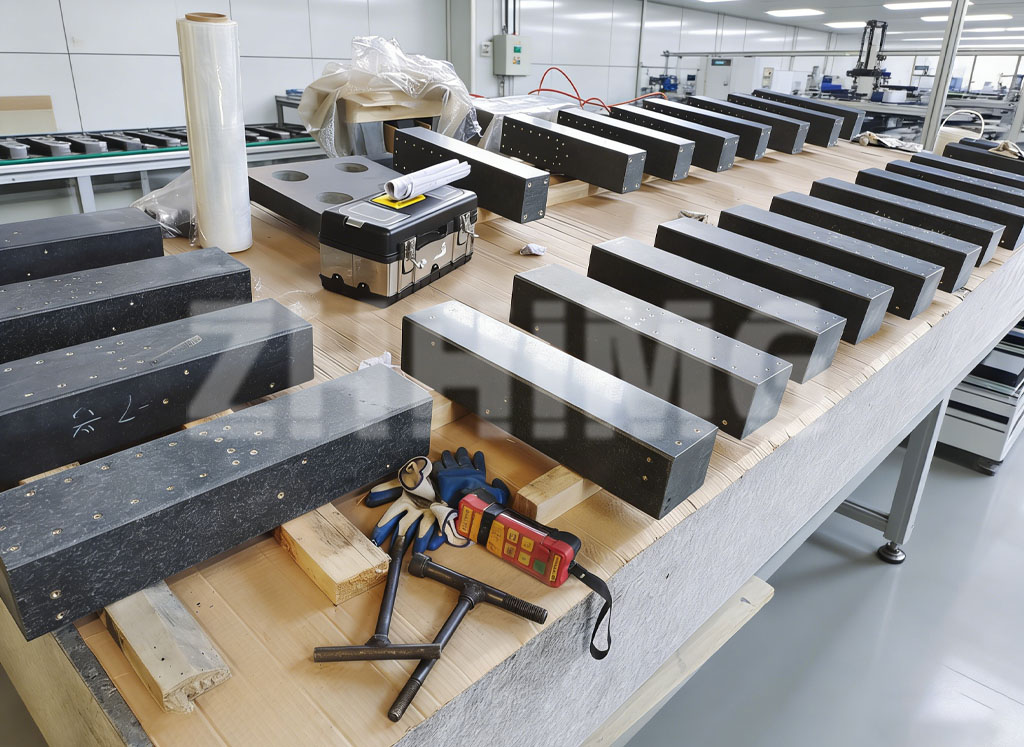
Surface Plate Accuracy Testing
Surface plate accuracy testing ensures that the surface plate maintains its flatness and alignment over time. Various methods are used to test the accuracy of surface plates, including:
-
Mechanical Inspection: This involves using a precision measuring tool, such as a straight edge or dial indicator, to check for flatness deviations.
-
Optical Flatness Tests: High-precision optical devices are used to measure surface plate flatness to the micron level.
-
Laser Scanning: Laser scanning systems provide highly accurate measurements of the surface plate’s flatness by scanning the entire surface.
Regular accuracy testing ensures that surface plates maintain the required flatness for high-precision measurements in manufacturing processes.
Best Practices for Surface Plate Accuracy and Calibration
To maintain the accuracy of surface plates, regular calibration and testing are essential. Best practices include:
-
Routine Calibration: Surface plates should be calibrated regularly to account for wear, environmental changes, and use over time.
-
Proper Handling and Maintenance: Surface plates should be handled carefully and stored in conditions that prevent damage. Regular cleaning and maintenance are also important to ensure their longevity and accuracy.
-
Selecting a Calibration Service: Partnering with a trusted calibration service provider ensures that your surface plates are always within the required tolerance range.
Conclusion
In conclusion, precision measurement tools and surface plates are indispensable in ensuring the accuracy of manufacturing processes. Surface plates, particularly granite ones, provide a stable and flat reference for measuring the flatness and alignment of components. By using the right accessories and regularly testing the accuracy of surface plates, manufacturers can maintain the highest levels of precision and quality control. At ZHHIMG, we offer a range of precision measurement tools and granite surface plates to meet your industry’s exacting standards.
Post time: Feb-09-2026