
In the world of precision manufacturing, the foundation upon which all measurements are taken is just as critical as the measuring instruments themselves. This foundation is the surface plate, an essential tool found in every serious machine shop, inspection department, and quality control lab. It serves as the ultimate reference plane—a zero point against which the flatness, parallelism, and squareness of workpieces are verified. For decades, the choice of this foundational tool was simple: a slab of cast iron. However, the evolution of materials science and the increasing demands for tighter tolerances have ushered in a new era of debate. Today, the decision between a traditional cast iron surface plate and a modern granite counterpart is a strategic one, defining a shop’s capabilities, workflow, and ultimately, the quality of the products it delivers.
Selecting the wrong type of surface plate can lead to a cascade of errors, from inaccurate measurements to compromised tool life and increased maintenance costs. Therefore, understanding the distinct characteristics of cast iron and granite is not merely a matter of preference but a fundamental requirement for maintaining high standards in a competitive industrial landscape.
The Cast Iron Legacy: A Proven Standard in Heavy Industry
Cast iron has been the backbone of machine tool construction for centuries, and its dominance in the realm of surface plates is a testament to its reliability. For generations of machinists, the sight of a heavy, ribbed slab of gray iron is synonymous with stability and durability.
1. The Science of Stability
The primary advantage of cast iron lies in its incredible mass and internal structure. High-quality surface plates are made from fine-grained cast iron, which possesses excellent vibration-damping properties. In a bustling machine shop filled with the hum of lathes, mills, and grinders, this ability to absorb ambient vibrations is crucial. It prevents the “chatter” that can disrupt sensitive measurements taken with dial indicators or height gauges. Furthermore, cast iron has a relatively high thermal conductivity. While this can be a double-edged sword, it generally allows the plate to reach thermal equilibrium with its environment faster than granite if the ambient temperature is controlled.
2. Workholding and Repairability
One of the most significant practical advantages of cast iron is its magnetic properties. In machining operations, workholding is paramount. Cast iron plates allow for the direct use of magnetic chucks and fixtures, providing a secure grip on ferrous workpieces during layout or inspection. Additionally, should a cast iron plate become damaged—whether through a dropped tool or general wear—it can be repaired. Skilled machinists can re-machine, weld, and re-scrape the surface to restore flatness. This repairability extends the lifespan of the tool significantly, making it a long-term investment for heavy industrial environments where abuse is expected.
3. The Maintenance Burden
However, the greatest strength of cast iron is also its greatest weakness. Iron rusts. In an industry where moisture, cutting fluids, and human contact are constant, maintaining a cast iron surface plate requires rigorous discipline. The plate must be cleaned, dried, and coated with rust-preventative oil after every use. Failure to do so results in pitting and corrosion, which destroys the precision reference plane. This maintenance overhead adds time to workflows and introduces the risk of human error.
The Rise of Granite: The Modern Standard for Metrology
As manufacturing shifted toward tighter tolerances and cleaner environments, the limitations of cast iron became increasingly apparent. Enter granite surface plates. While they have been in use since the early 20th century, advancements in machining and lapping techniques have made granite the preferred choice for high-precision metrology labs and modern CNC machine shops.
1. Unmatched Durability and Corrosion Resistance
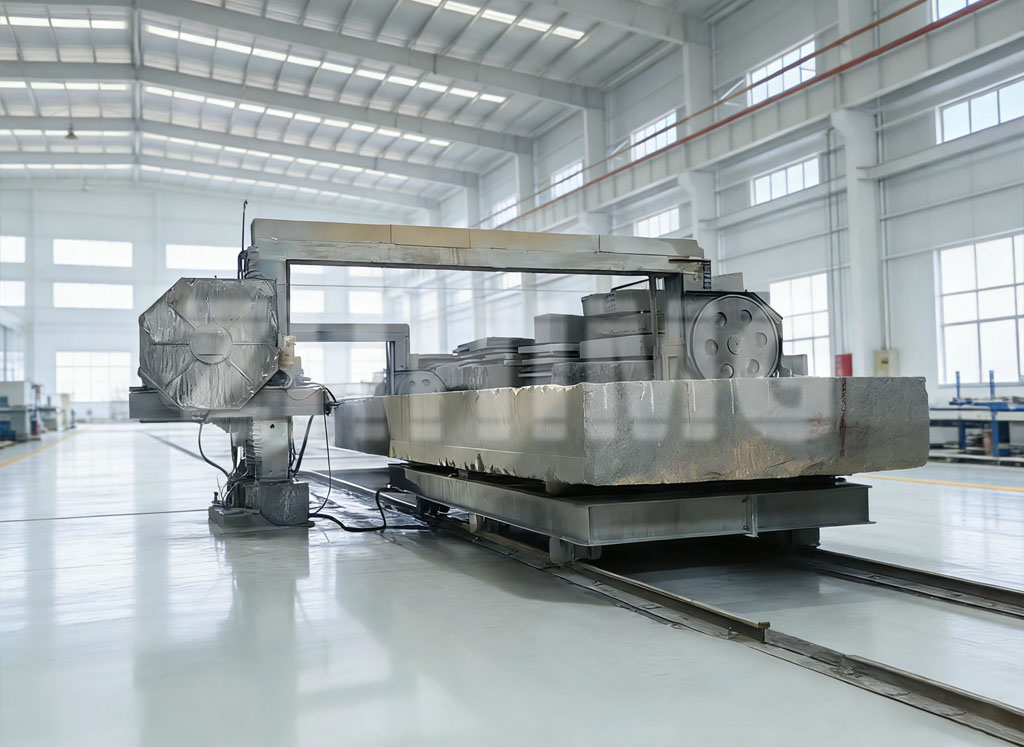
Granite, specifically fine-grained black diabase or similar igneous rocks, offers a hardness that cast iron cannot match. On the Mohs scale, granite typically rates around 6 to 7, whereas hardened steel (used in gauge blocks) is around 7 to 8. This means that while granite will wear over time, it is highly resistant to scratching from common shop debris like aluminum swarf or small steel chips. More importantly, granite is chemically inert. It does not rust, does not require oiling, and is unaffected by water-based coolants or cleaning solvents. This “dry” operation is cleaner and eliminates the risk of transferring oil to sensitive workpieces, such as electronic components or optical assemblies.
2. Superior Thermal Stability
In the pursuit of micron-level accuracy, temperature is the enemy. Cast iron expands and contracts with temperature changes at a rate defined by its thermal expansion coefficient. Granite, however, has a much lower coefficient of thermal expansion. This means that a granite surface plate is less susceptible to dimensional changes caused by minor fluctuations in room temperature. In an environment where a few degrees can mean the difference between a pass and a fail, this thermal stability ensures that measurements remain consistent throughout the day. Furthermore, granite has a lower thermal conductivity than metal. While this means it takes longer to warm up, it also means it acts as a thermal buffer, resisting rapid temperature swings that might occur near open doors or HVAC vents.
3. Precision and Friction Management
Granite plates are typically finished with a ground and polished surface that provides a very low coefficient of friction. This makes it effortless to slide heavy workpieces or inspection equipment across the table without the drag often experienced on oiled cast iron. However, this lack of magnetic attraction is a drawback. Since granite is non-magnetic, specialized fixtures or clamps are required to hold ferrous parts in place during inspection, which can sometimes complicate setups compared to the simplicity of a magnetic base on cast iron.
Comparative Analysis: Key Factors in Decision Making
When deciding between cast iron and granite, machine shop owners and quality managers must weigh several critical factors beyond just the material properties.
1. Flatness Grades and Tolerances
Both materials are available in various grades of accuracy, ranging from laboratory grade (AAA) to commercial grade (B or workshop grade). However, achieving and maintaining the highest grades (AAA or AA) is generally easier with granite due to its stability. Cast iron plates can achieve these high grades, but they require more frequent re-certification and maintenance to sustain them, especially in harsh environments.
2. Environmental Conditions
The shop environment plays a pivotal role. In a traditional heavy machining shop where large, oily parts are moved frequently and magnetic workholding is essential, cast iron remains the pragmatic choice. It can withstand impacts better and is repairable if damaged. Conversely, in a clean, temperature-controlled inspection room where electronic components, medical devices, or aerospace parts are measured, granite is the superior option. Its resistance to corrosion and environmental stability ensures that the reference plane remains true for years with minimal maintenance.
3. Cost of Ownership
While the initial purchase price of a granite plate might be comparable to or slightly higher than a cast iron plate of the same size, the long-term cost of ownership often favors granite. The elimination of rust preventative oils, the reduced need for frequent re-scraping or re-machining, and the longer lifespan of the surface contribute to lower maintenance costs. Cast iron plates, while robust, require a continuous investment in maintenance to preserve their accuracy.
Conclusion: Choosing the Right Foundation for Your Future
The debate between cast iron and granite is not about declaring a winner but about matching the tool to the task. Cast iron surface plates are the workhorses of industry. They are tough, repairable, and offer excellent vibration damping for heavy-duty environments. They are the traditional choice for shops where magnetism and ruggedness are prioritized.
Granite surface plates, on the other hand, represent the evolution of precision. They offer superior corrosion resistance, better thermal stability, and a cleaner working environment. They are the standard for high-accuracy metrology and industries where cleanliness and long-term stability are non-negotiable.
In modern machine shops, it is not uncommon to see a hybrid approach. Many facilities utilize cast iron plates on the shop floor for general layout and rough inspection near machinery, while reserving granite plates for the controlled environment of the quality control lab for final, high-precision certification. Ultimately, the choice depends on the specific requirements of the work, the environmental conditions, and the budget for both initial investment and long-term maintenance. By understanding the distinct advantages of each material, manufacturers can ensure that their foundation for measurement is as precise and reliable as the work they produce.
Post time: May-09-2026