Heavy-duty cast iron surface plates are the unsung heroes of precision manufacturing. These substantial, carefully crafted reference surfaces serve as the foundational platforms for dimensional measurement, layout work, and quality inspection across countless industries—from aerospace and automotive to toolmaking and research laboratories. Yet despite their robustness and seemingly permanent appearance, cast iron surface plates require thoughtful care and maintenance to preserve their precision over decades of service. Understanding how to ensure long-term stability in these critical measurement tools can save manufacturers significant expense, prevent quality escapes, and maintain the measurement confidence that quality-driven operations depend upon.
This article explores the factors that affect cast iron surface plate stability, the practices that preserve accuracy over time, and the strategies that experienced metrologists and quality professionals employ to protect their investments in precision measurement infrastructure.
Understanding What Makes Cast Iron Unique
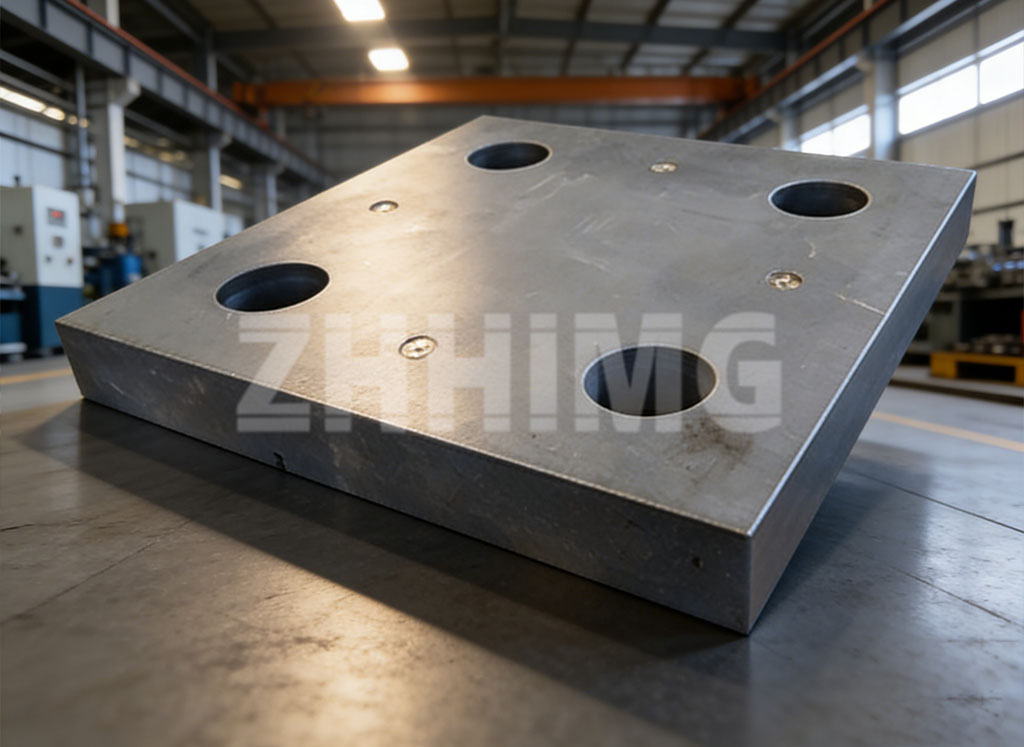
Before diving into stability considerations, it’s important to understand why cast iron remains a preferred material for heavy-duty surface plates despite competition from granite and engineered composites. Cast iron offers a distinctive combination of properties that make it uniquely suited to certain precision measurement applications.
The graphite flakes distributed throughout the iron matrix provide natural vibration damping, absorbing mechanical disturbances that would otherwise compromise measurement accuracy. This damping characteristic proves particularly valuable in busy manufacturing environments where nearby machinery, foot traffic, and facility systems generate constant vibration. A cast iron surface plate smooths these disturbances, allowing measurement readings to stabilize more quickly and reliably.
Cast iron also possesses excellent wear resistance under proper conditions, developing a naturally hard surface layer through its iron carbide content. The material can be repeatedly scraped and re-surfaced to restore original flatness, making it a renewable precision reference that can serve for generations with appropriate maintenance.
However, these advantages come with responsibilities. Cast iron is susceptible to corrosion, sensitive to thermal changes, and can develop stress patterns if not properly supported and handled. Long-term stability requires addressing each of these factors throughout the plate’s service life.
The Foundation of Stability: Proper Initial Selection
Long-term stability begins before the surface plate ever enters service. Proper selection based on application requirements, environmental conditions, and anticipated usage patterns establishes the foundation for decades of reliable performance.
Size selection should account for both current needs and reasonable future requirements. A surface plate that fits today’s workpieces with minimal margin provides no room for growth and may experience accelerated wear along edges that are frequently utilized. Conversely, selecting a dramatically oversized plate wastes resources and may present handling challenges. Aim for a plate that accommodates typical workpieces comfortably while leaving adequate margin for occasional larger pieces.
Weight capacity requirements deserve careful consideration for heavy-duty applications. The plate must support not only the workpieces themselves but also any fixtures, instruments, and handling equipment without deflecting or experiencing localized stress. Heavy-duty cast iron plates designed specifically for high-load applications incorporate reinforced ribbing and thicker sections that resist deformation under substantial weight.
Grade selection should match the precision requirements of the intended applications. Selecting a higher grade than necessary incurs unnecessary cost and maintenance burden, while selecting too low a grade compromises measurement capability and may require premature replacement. Take time to honestly assess the measurement tolerances encountered in your operations and select accordingly.
Environmental Control: Temperature and Humidity Management
Temperature changes represent the most significant environmental threat to cast iron surface plate stability. Like all metals, cast iron expands when heated and contracts when cooled. At the precision levels required for surface plate applications, even small temperature variations can introduce measurement errors that exceed acceptable tolerances.
Cast iron exhibits a coefficient of thermal expansion that causes noticeable dimensional changes with temperature fluctuations. A large surface plate exposed to direct sunlight or positioned near heating and cooling vents may experience temperature gradients across its surface, creating localized expansion differences that distort the reference plane. These effects become more pronounced in poorly controlled environments where daily and seasonal temperature cycles create continuous thermal stress.
Maintaining stable environmental conditions protects both the surface plate and the measurements performed upon it. Metrology laboratories dedicated to precision measurement typically maintain temperature within ±0.5°C of the reference temperature—usually 20°C—and may specify even tighter control for Grade 00 applications. While such strict control may not be practical for all manufacturing environments, avoiding extreme temperature changes and significant gradients goes a long way toward preserving plate stability.
Humidity control presents another consideration for cast iron plates. Excessive humidity promotes surface corrosion, which degrades both the plate’s appearance and its functional surface. Maintaining relative humidity below 60% helps prevent corrosion while avoiding overly dry conditions that create other challenges. In particularly humid environments, applying protective coatings and maintaining vigilant cleaning practices becomes even more important.
Support and Mounting: Preventing Stress-Induced Distortion
How a surface plate is supported fundamentally affects its long-term stability. Improper support creates stress concentrations that can distort the plate over time, gradually introducing flatness errors that accumulate undetected.
Cast iron surface plates must be supported at specific points that maintain natural equilibrium without inducing stress. Most plates include factory-marked support positions that correspond to the plate’s natural support points—the locations where the plate’s mass is most efficiently distributed. Supporting the plate at these points, typically three locations forming a triangular pattern, prevents the bending moments that cause long-term distortion.
The supporting structure itself must be rigid and stable. A surface plate placed on a flexible or vibration-prone workbench essentially negates the plate’s vibration-damping characteristics, transferring motion from the environment directly to the measurement surface. Dedicated instrument stands or rigid structural supports designed specifically for surface plate use provide the stability required for reliable measurements.
Leveling the plate properly distributes the gravitational load and prevents the slow creeping that can introduce errors over extended periods. Most surface plates include integral leveling provisions, and checking levelness periodically—particularly after any movement or disturbance—helps catch developing problems before they compromise measurement accuracy.
Daily Care Practices: Simple Habits That Preserve Precision
The daily habits surrounding surface plate use have outsized effects on long-term stability. Simple practices, consistently applied, prevent the gradual degradation that otherwise accumulates over years of service.
Cleaning before each use removes debris that would otherwise create artificial measurement references. Dust, metal chips, and other particles between the workpiece and plate surface act as spacers, creating measurement errors that can easily exceed the plate’s certified tolerance. A clean, lint-free cloth wiped across the surface before measurement sessions removes loose contamination and reveals any accumulated material requiring more thorough attention.
Never slide workpieces across the plate surface. This common practice, often done without thinking, generates debris and accelerates wear along the paths where workpieces are repeatedly placed. Instead, lift workpieces carefully and lower them gently to the plate surface, placing them precisely without any sliding motion.
Using appropriate workpiece supports prevents localized wear patterns and protects the plate surface from impact damage. Magnetic chucks, parallel sets, and precision stands lift workpieces above the plate surface while providing stable positioning references. These accessories protect the plate surface while enabling more efficient measurement workflows.
Covering the plate when not in use prevents dust accumulation, accidental damage, and exposure to environmental contaminants. Simple covers made from non-abrasive materials cost little and require minimal effort but provide meaningful protection over the plate’s service life.
Periodic Maintenance: Restoring and Verifying Accuracy
Despite best care practices, surface plates require periodic maintenance to restore and verify their certified accuracy. Establishing a regular maintenance schedule prevents the gradual accumulation of errors that would otherwise compromise measurement reliability.
Cleaning protocols beyond daily surface wiping help maintain the plate in optimal condition. Periodic thorough cleaning using appropriate solvents removes accumulated oils, residues, and light oxidation that casual cleaning cannot address. Follow manufacturer recommendations for cleaning products, as some common solvents can damage protective coatings or the plate surface itself.
Inspection for damage should precede each thorough cleaning. Look for chips along edges, dents in the working surface, and any signs of unusual wear patterns. Damage that affects the measurement surface may require professional repair or indicate that the plate has exceeded its serviceable life.
Re-certification at appropriate intervals maintains traceability and confidence in measurement results. The frequency of re-certification depends on the plate grade and usage intensity, with recommendations typically ranging from quarterly for heavily used Grade 00 plates to annually for lower grades in light service. Certification should be performed by qualified personnel using traceable calibration artifacts and documented according to applicable quality system requirements.
Professional resurfacing may be required when wear or damage exceeds what can be addressed through cleaning and re-certification. Scraping—a traditional technique where skilled technicians manually remove material to restore flatness—can return a worn plate to certified tolerance. This process requires specialized skills and equipment but can significantly extend the useful life of a quality surface plate.
Recognizing When Replacement Is Necessary
Even with excellent care, cast iron surface plates have finite service lives. Recognizing when replacement has become necessary prevents continued use of plates that no longer provide reliable reference surfaces.
Excessive wear that cannot be economically addressed through resurfacing indicates that replacement should be considered. A plate worn to the point where repeated resurfacing has significantly reduced its thickness may lack the mass and rigidity required for stable reference applications.
Damage that affects measurement-critical areas may render a plate unserviceable. Deep scratches, gouges, or chips that fall within the area used for measurement create discontinuities in the reference surface that cannot be tolerated for precision applications.
Corrosion that has penetrated below the surface layer creates internal stress concentrations that can cause unpredictable dimensional changes. Surface treatments may address cosmetic corrosion but cannot restore the underlying material integrity that long-term stability requires.
Obsolescence of the accuracy class relative to current requirements may also justify replacement. As manufacturing tolerances tighten and quality requirements evolve, a plate that once provided adequate precision may become a limiting factor in measurement capability.
Building a Stability-Focused Culture
Ensuring long-term stability in heavy-duty cast iron surface plates ultimately depends not just on technical practices but on cultivating organizational culture that values precision and measurement confidence. When everyone who touches the surface plate understands its importance and the consequences of neglect, care practices become instinctive rather than burdensome.
Training operators on proper surface plate use, including cleaning techniques, handling practices, and damage recognition, builds the foundation for consistent care. When operators understand why certain practices matter, they are more likely to follow procedures even when supervision is not immediately present.
Documentation of maintenance activities, certification records, and any issues observed creates accountability and enables trend analysis. A well-maintained log of the plate’s condition over time helps identify developing problems early and supports decisions about maintenance investment versus replacement.
Leadership support for the resources and time required for proper surface plate care communicates organizational priorities. When management demonstrates that measurement infrastructure deserves careful stewardship, that value cascades through the organization.
The surface plate may seem like a simple, passive element of the measurement system, but its condition directly affects every measurement performed upon it. Protecting that foundation through thoughtful selection, environmental control, daily care, and periodic maintenance ensures that your precision measurement capabilities remain reliable for decades to come.
Investing in surface plate stability is ultimately an investment in measurement confidence, product quality, and the reputation that quality-driven organizations build over time. The practices outlined here provide a roadmap for preserving that investment and maintaining the measurement foundation upon which precision manufacturing depends.
Post time:
May-20-2026
