
In the global precision manufacturing sector, particularly for metrology components, compliance with internationally recognized standards is more than a formality—it is a strategic necessity. For multinational companies evaluating suppliers, adherence to rigorous quality and testing protocols is often the deciding factor in whether a vendor can enter their supply chain. Among the most critical standards are ISO 9001 and ISO 17025, each addressing different aspects of quality assurance and laboratory competence, but both central to building trust in high-precision manufacturing.
ISO 9001 is the cornerstone of quality management systems across industries. For manufacturers of precision parts, it ensures that processes are consistently documented, controlled, and continually improved. This certification demonstrates an organization’s ability to consistently deliver products that meet customer and regulatory requirements. Beyond procedural compliance, ISO 9001 encourages a culture of quality awareness, risk management, and operational transparency—all essential for high-stakes applications in aerospace, semiconductor, and optical metrology.
ISO 17025, on the other hand, focuses specifically on the competence of testing and calibration laboratories. For metrology parts, where dimensional accuracy can affect downstream product performance by microns, ISO 17025 certification confirms that the laboratory or calibration entity produces valid, reliable, and traceable measurements. This standard covers technical procedures, equipment calibration, personnel expertise, and environmental controls, ensuring that every measurement is backed by scientific rigor and recognized internationally.
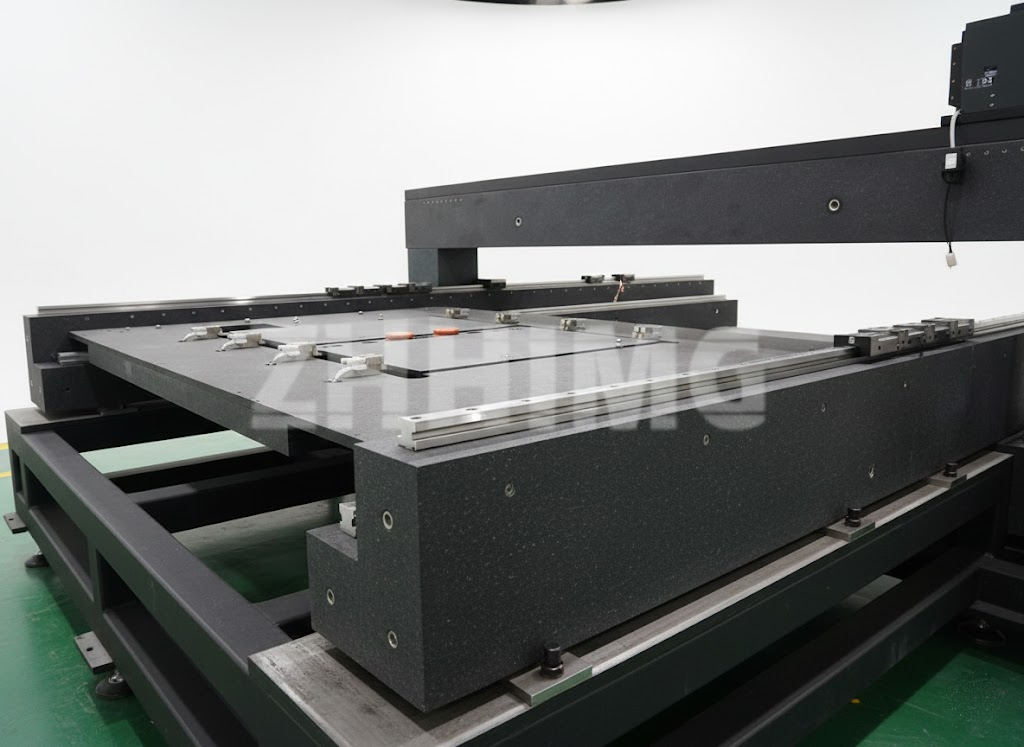
For multinational procurement officers and quality assurance experts, understanding the difference between these certifications is crucial. ISO 9001 addresses the broader manufacturing quality system, while ISO 17025 validates the technical precision of measurement and testing capabilities. Suppliers holding both certifications provide an added layer of assurance: products are manufactured under consistent quality processes, and every critical measurement is independently verified by a competent laboratory. This combination reduces risk, supports regulatory compliance, and strengthens confidence in the supplier’s ability to deliver high-precision components reliably.
Beyond compliance, certified suppliers gain tangible advantages in global markets. For European and North American manufacturers, certification often serves as a “gatekeeper” for supplier qualification. Companies like GE, Samsung, and aerospace OEMs require evidence of both robust quality management systems and traceable calibration capabilities before engagement. By meeting these standards, suppliers not only demonstrate technical and operational excellence but also signal commitment to continuous improvement and international best practices.
At ZHHIMG, we maintain both ISO 9001 and ISO 17025 certifications, underscoring our dedication to precision manufacturing and metrology excellence. Our advanced production facilities, rigorous quality control protocols, and accredited calibration laboratories ensure that every granite component, ceramic element, or high-precision assembly meets the exacting standards of global industry leaders. By aligning manufacturing processes with international certifications, we help clients mitigate risk, streamline supply chain qualification, and achieve the highest levels of measurement integrity.
In an increasingly competitive and regulated landscape, the choice of a certified supplier is not optional—it is strategic. Understanding the nuances of ISO 9001 and ISO 17025, and partnering with a supplier that embodies both, provides the confidence needed to integrate precision parts into critical systems with certainty and reliability.
Post time: Mar-27-2026