
In modern manufacturing and metrology, precision is everything. From high-tolerance machining to laboratory inspections, establishing a reliable precision measurement setup is crucial to ensuring accurate, repeatable, and traceable results. Engineers, quality managers, and metrology specialists often face the challenge of building an integrated measurement system that combines flat reference surfaces, precision tools, and reliable gauges.
This guide provides a comprehensive overview of essential components—from surface plates to ceramic gages—and best practices for creating a precision measurement setup that meets modern industrial standards.
Why a Complete Precision Measurement Setup Matters
A robust measurement setup ensures that all measurements are accurate and repeatable. Key benefits include:
- Improved product quality: Accurate measurements ensure parts meet design specifications.
- Reduced rework and scrap: Minimizes costly errors in production.
- Traceable results: Compliance with ISO, ASTM, and other metrology standards.
- Efficient workflow: Well-organized measurement systems reduce inspection time.
Whether in aerospace, automotive, semiconductor, or high-precision electronics industries, a complete setup ensures reliability and efficiency.
Core Components of a Precision Measurement Setup
A high-performance measurement setup typically consists of several integrated components. Here’s a detailed overview:
1. Surface Plates
Surface plates are the foundation of any precision measurement setup. They provide a flat, stable reference surface for layout, inspection, and calibration.
Key types:
- Granite surface plates: Dense, vibration-resistant, and thermally stable, ideal for high-precision work.
- Cast iron surface plates: Strong and suitable for heavy loads, though more susceptible to corrosion.
- Ceramic or composite plates: Offer excellent wear resistance and stability under certain conditions.
Specifications to check:
- Flatness tolerance: Typically ±0.005 mm for high-precision applications.
- Surface finish: Smooth, polished surfaces improve contact accuracy.
- Size: Choose according to part dimensions and workflow requirements.
Applications:
- Machining layout
- Calibration of gauges and instruments
- Inspection of components for flatness and dimensional accuracy
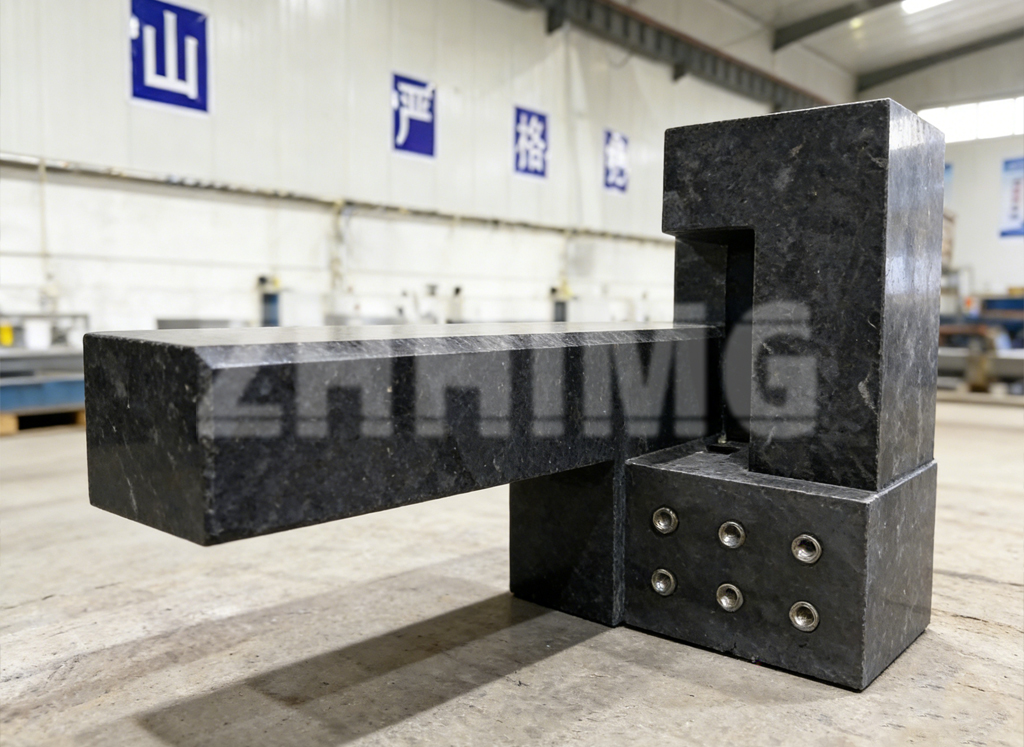
2. Granite Angle Plates and V-Blocks
Granite angle plates and V-blocks complement surface plates by providing stable reference planes at precise angles.
Benefits:
- Maintain accurate 90° or custom angles for workpieces
- Non-magnetic and corrosion-resistant
- Compatible with high-precision measuring tools
Applications:
- Inspecting angular components
- Holding workpieces during measurement
- Supporting precision assembly operations
3. Ceramic Gages
Ceramic gages are precision tools used to measure linear dimensions, gaps, and flatness. Their unique properties make them essential for modern metrology setups:
Key properties:
- Hardness and wear resistance
- Minimal thermal expansion
- Corrosion resistance
- Electrical insulation in sensitive applications
Applications:
- Measuring part thickness or gaps
- Checking flatness against reference surfaces
- Working with high-precision optical or electronic components
4. Dial Indicators, Micrometers, and Calipers
While ceramic gages and surface plates provide the foundation, fine measurement tools are necessary for detailed inspections.
Considerations:
- Accuracy: Choose instruments with tolerances suitable for your industry.
- Calibration: Regular calibration ensures traceable results.
- Compatibility: Ensure tools can interface with your surface plates and fixtures effectively.
Applications:
- Dimensional verification
- Assembly inspection
- Process control
5. Workholding Fixtures and Clamps
Properly securing components during measurement prevents errors caused by movement or vibration.
Key elements:
- Clamps, magnetic bases, and precision holders
- Adjustable fixtures for irregular shapes
- Vibration-isolated mounts for sensitive setups
Applications:
- Reducing measurement errors
- Improving repeatability and accuracy
- Supporting complex geometries
Best Practices for Precision Measurement Setup
Creating a reliable measurement setup involves more than just selecting high-quality tools. Consider these best practices:
1. Ensure Surface Plate Stability
- Level plates carefully on vibration-isolated stands
- Avoid placing plates near heavy machinery or high-traffic areas
- Perform periodic flatness checks
2. Maintain Thermal Consistency
- Use climate-controlled rooms for sensitive measurements
- Avoid placing instruments in direct sunlight or near heat sources
- Allow tools and workpieces to stabilize at ambient temperature before measurement
3. Regular Calibration and Maintenance
- Calibrate ceramic gages, micrometers, and dial indicators at defined intervals
- Clean and inspect surface plates and fixtures to prevent wear or contamination
- Document calibration results for traceability
4. Organize Tools for Workflow Efficiency
- Use racks, holders, and labeling systems for easy access
- Maintain a clear workspace to avoid accidental damage
- Implement standard operating procedures for measurements
5. Integrate Digital Measurement Systems
- Consider digital readouts for micrometers and calipers
- Use laser-based or CMM systems for high-precision, automated measurements
- Ensure all digital systems are compatible with your manual setup for redundancy and verification
Advanced Applications
Semiconductor Industry
Precision measurement setups with ceramic gages and granite surfaces ensure accurate wafer alignment, component inspection, and high-volume quality control.
Aerospace and Automotive
Granite surface plates and angle plates provide stable references for large components, ensuring tight tolerances in critical assemblies.
Electronics Assembly
Non-magnetic and corrosion-resistant surfaces allow precise alignment and measurement of PCBs and delicate electronic components.
Choosing the Right Supplier
When sourcing a complete precision measurement setup, consider:
- Reputation and experience in manufacturing granite and ceramic precision tools
- Certification for ISO, ASTM, or other metrology standards
- Customization capabilities for plates, gages, and fixtures
- Support and service for calibration, maintenance, and training
Partnering with a trusted supplier ensures that your setup is reliable, accurate, and aligned with industry standards.
Conclusion
A well-designed precision measurement setup is the backbone of high-quality manufacturing and metrology. By combining surface plates, granite angle plates, ceramic gages, and precision instruments, engineers can achieve:
- Accurate, repeatable measurements
- Reduced rework and scrap
- Improved production efficiency
- Compliance with industry standards
Investing in the right tools and best practices ensures that your measurement setup delivers long-term reliability, precision, and productivity. Whether in aerospace, electronics, automotive, or precision machining, a complete measurement system is indispensable for success.
Post time: May-06-2026