
In the realm of high-precision machine tool manufacturing, where even micron-level vibrations can derail production quality, the role of granite damping performance has emerged as a game-changer. Recent vibration testing conducted by leading domestic precision manufacturing enterprises and industry research institutions has confirmed that optimizing granite’s damping characteristics can significantly reduce machining vibrations, thereby boosting the yield of high-precision parts by up to 15% to 20%. This breakthrough is set to accelerate the upgrade of China’s precision machining industry and provide strong technical support for the domestic substitution of high-end machine tools.
High-precision machine tools are the core equipment for manufacturing key components in sectors such as semiconductors, new energy, aerospace and automotive. During the machining process, vibrations generated by the machine tool itself, cutting tools and workpiece interactions often lead to surface roughness, dimensional deviations and even tool wear, directly affecting the qualification rate of finished products. “For ultra-precision machining scenarios requiring submicron accuracy, vibration control is the top priority,” said Li Ming, a senior engineer at the China Precision Machinery Industry Research Institute. “Traditional cast iron machine tool bases have limited damping capabilities, making it difficult to meet the increasingly stringent precision requirements of modern manufacturing.”
Against this backdrop, granite has gradually replaced cast iron as the preferred material for high-precision machine tool bases and worktables due to its excellent physical properties. Natural granite boasts high hardness, low thermal expansion coefficient and good wear resistance, and its unique internal structure gives it superior damping performance — a key advantage that cast iron cannot match. To fully explore the potential of granite damping in optimizing machining yield, a joint research team composed of industry enterprises and universities carried out a series of targeted vibration tests.
The testing was conducted on a 5-axis ultra-precision machining center equipped with a granite base, with a focus on measuring the vibration response of the machine tool during the cutting of titanium alloy and high-strength aluminum alloy parts. The team first tested the vibration amplitude and frequency of the cast iron base under the same processing parameters, then replaced it with a granite base that had undergone specialized damping optimization treatment and conducted comparative tests. The test results showed that the granite base reduced the vibration amplitude of the machine tool by 40% to 50% in the 50 Hz to 2000 Hz frequency range, which is the main vibration frequency band affecting machining precision.
“The core of optimizing granite damping performance lies in two aspects: material selection and post-processing technology,” explained Wang Tao, technical director of Shandong Xinhua Granite Precision Components Co., Ltd., one of the participants in the test. “We selected granite ore with uniform mineral composition and low internal porosity, and after precision cutting and aging treatment, we further optimized the damping performance through surface modification and embedded damping structures. The vibration test data fully verified that these measures can effectively absorb and dissipate machining vibrations, avoiding the impact of resonance on processing quality.”
The practical application effect of the optimized granite damping technology is even more remarkable. A leading automotive parts manufacturer in Shanghai applied the technology to its precision engine part production line. After a month of trial operation, the yield of crankshafts and camshafts increased from 82% to 98%, and the surface roughness of the parts was reduced from Ra 0.8 μm to Ra 0.4 μm, fully meeting the quality standards of high-end automotive engines. “The reduction in defective products has not only cut production costs but also shortened the production cycle, bringing significant economic benefits to the enterprise,” said Zhang Wei, the production manager of the manufacturer.
Industry insiders pointed out that the successful application of granite damping performance optimization technology is a typical case of cross-border integration of material science and precision machining. With the continuous advancement of technologies such as AI and digital twins, the vibration testing and damping optimization of granite components will also move toward intelligence. In the future, enterprises can adjust the damping parameters of granite bases in real-time according to different machining materials, processes and precision requirements through intelligent monitoring systems, achieving personalized and precise vibration control.
The China Machine Tool Industry Association released data showing that the market demand for high-precision machine tools with granite components is growing at a rate of 25% per year. The optimization of granite damping performance will further expand the application scenarios of granite in the machine tool industry, not only in ultra-precision machining centers but also in coordinate measuring machines, laser processing equipment and other high-end equipment. This will help China’s machine tool industry break through the technical bottleneck of precision control and enhance its international competitiveness.
“Vibration testing is the basis for optimizing granite damping performance, and the improvement of machining yield is the ultimate goal of technological innovation,” said Chen Hong, a professor at the School of Mechanical Engineering of Tsinghua University. “In the future, we will continue to deepen research on the damping mechanism of granite, develop more efficient optimization processes and testing methods, and contribute more to the high-quality development of China’s precision manufacturing industry.”
As a key material for high-end equipment, granite is playing an increasingly important role in the precision machining industry. The breakthrough in damping performance optimization technology, verified by scientific vibration testing, will surely inject new vitality into the upgrade of China’s machine tool industry and help the domestic high-end manufacturing sector take a firmer step toward the global value chain high-end. 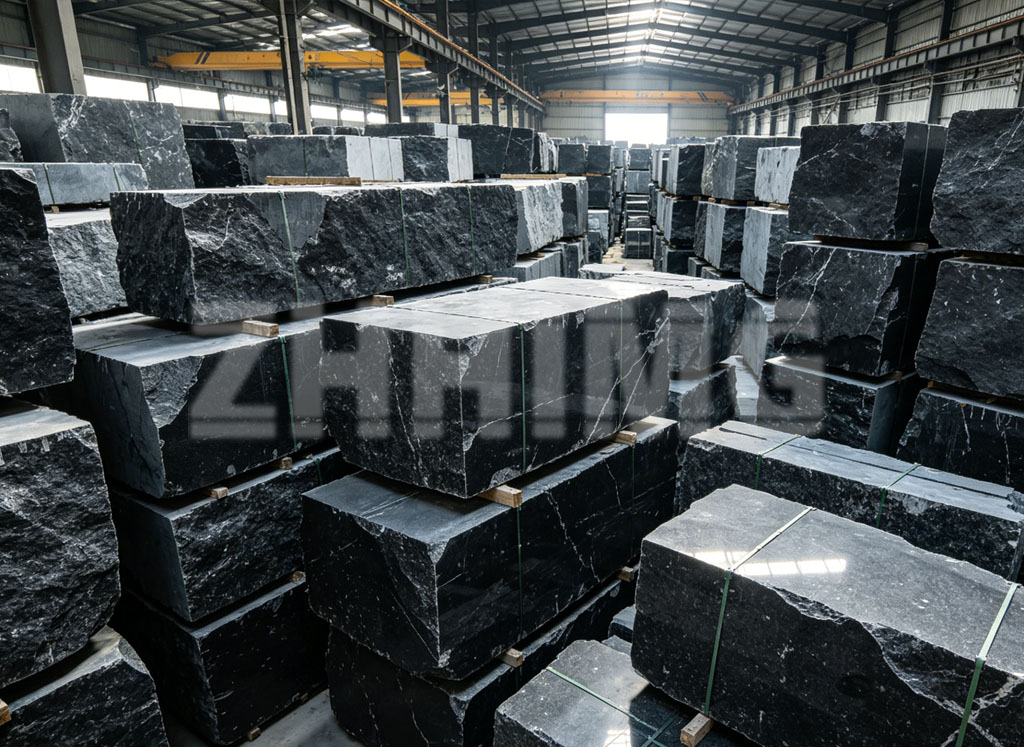
Post time: Jul-15-2026