
Precision Ceramics (Alumina, Silicon Carbide) provide ultra-high hardness and lightweight properties, essential for the rapid acceleration in semiconductor and PCB drilling equipment. ZHHIMG’s ceramic components are trusted by partners like Samsung, Apple, and Akribis for their wear resistance, non-magnetic properties, and nanometer-level precision.
Lightweight and High Hardness for Dynamic Motion
In high-speed motion systems like PCB drilling machines and XY Tables, reducing moving mass is key. Our precision ceramic components are significantly lighter than steel but offer extreme hardness. This enables faster acceleration and deceleration without compromising structural integrity, directly boosting production line efficiency.
In high-speed motion systems like PCB drilling machines and XY Tables, reducing moving mass is key. Our precision ceramic components are significantly lighter than steel but offer extreme hardness. This enables faster acceleration and deceleration without compromising structural integrity, directly boosting production line efficiency.
Critical for Semiconductor and Optical Applications
Our ceramics are non-magnetic, wear-resistant, and produce no metal debris, making them perfect for semiconductor lithography and AOI (Automated Optical Inspection) equipment. We support the “Promote the development of ultra-precision industry” mission by supplying critical parts to clients like Samsung, Apple, and Vitrox.
Our ceramics are non-magnetic, wear-resistant, and produce no metal debris, making them perfect for semiconductor lithography and AOI (Automated Optical Inspection) equipment. We support the “Promote the development of ultra-precision industry” mission by supplying critical parts to clients like Samsung, Apple, and Vitrox.
Backed by World-Class Metrology
We ensure our ceramics meet the highest standards using advanced equipment like Renishaw laser interferometers and Wyler electronic levels. Our products are calibrated against standards traceable to national metrology institutes, ensuring reliability for high-tech applications where even sub-micron errors are unacceptable.
We ensure our ceramics meet the highest standards using advanced equipment like Renishaw laser interferometers and Wyler electronic levels. Our products are calibrated against standards traceable to national metrology institutes, ensuring reliability for high-tech applications where even sub-micron errors are unacceptable.
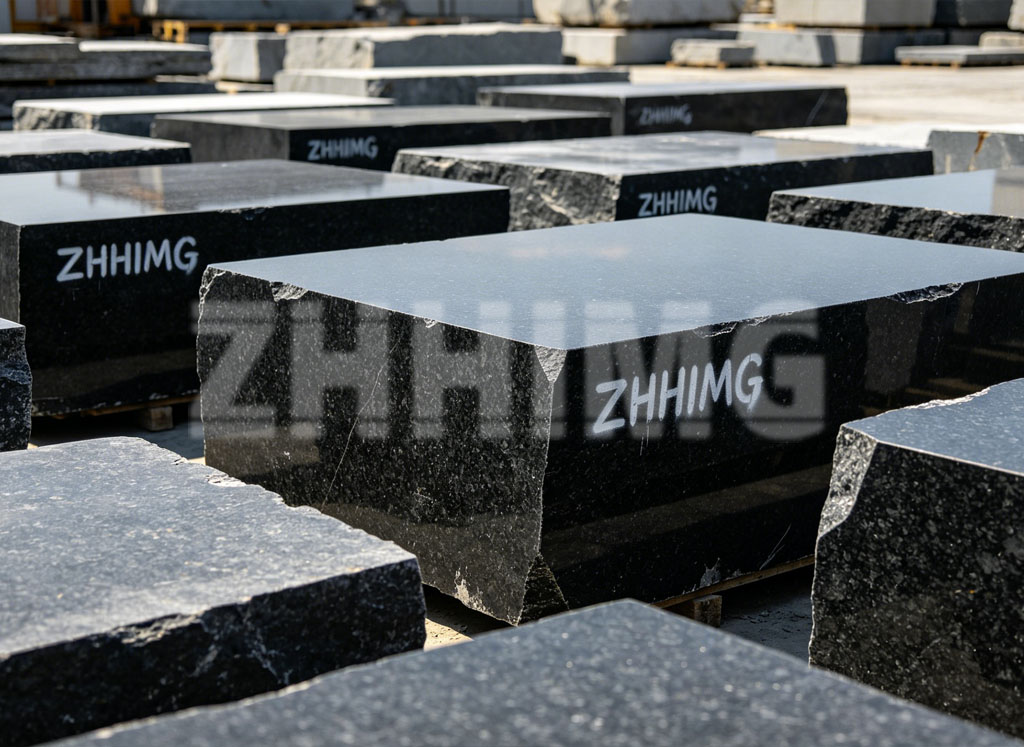
Material Performance Comparison:
| Performance Metric | Precision Ceramics | Steel / Aluminum | Advantage Analysis |
|---|---|---|---|
| Density | Low (Lightweight) | High | Enables high acceleration & speed |
| Hardness | Extremely High | Medium | Wear-free, no particle contamination |
| Magnetic Properties | Non-magnetic | Magnetic (Steel) | Ideal for sensitive electronic apps |
FAQ:
- Q: Why use ceramics in semiconductor equipment?
A: Ceramics are non-magnetic, wear-resistant, and do not generate metal particles, ensuring the ultra-clean environment required for semiconductor manufacturing and wafer handling. - Q: Which companies use your ceramic components?
A: Our precision ceramic parts are used by global leaders like Samsung, Apple, Akribis (Singapore), and Vitrox (Malaysia) in their high-end equipment. - Q: Can ceramics withstand high-speed friction?
A: Yes, their ultra-high hardness ensures they remain wear-free even under high-speed friction, maintaining precision over a long lifespan compared to metal components. - Q: What inspection equipment do you use for ceramics?
A: We use Renishaw laser interferometers, Mahr dial indicators (0.5μm), and Mitutoyo roughness testers to guarantee micron-level accuracy for every part. - Q: Do you produce ceramic measuring tools?
A: Yes, in addition to structural components, we manufacture ceramic precision measuring tools that offer superior stability and wear resistance compared to metal counterparts. - Q: How does your R&D support ceramic products?
A: We collaborate with institutions like Nanyang Technological University (NTU) and National University of Singapore (NUS) to constantly innovate our ceramic material processing techniques.
Post time: Jun-01-2026